
Promoting Sensitive and Flexible Therapeutic Responses to Racism-Related Stress presented by Ryan DeLapp, Ph.D.
Fulfills CE licensing requirement for training designed to enhance competence in the provision of psychological services to culturally diverse populations.
Workshop Level: All levels
Program Description: Racism-related stress (RRS) captures the moments individuals feel they experience negative judgment, mistreatment, or denied opportunities due (in part) to their racial background. RRS unfortunately continues to be a social, emotional, and cognitive stressor that persons of color (POCs) are tasked with learning to navigate in their daily lives. However, it can be hard, as clinicians, to know how to efficiently conceptualize the impacts of RRS in ways that clarify avenues for offering support and healing. In this presentation, attendees will learn to use components of the Racial, Ethnic, And Cultural Healing Unifying Principles (DeLapp & Gallo, 2022; DeLapp & DeLapp, 2024) to conceptualize and then flexibly adapt their treatment plans for the impacts of racial and cultural stressors when working with POCs. Specifically, this presentation will begin by helping clinicians learn what they can do before conversations on cultural stress to promote a safe and sensitive space for POCs to explore and receive support for RRS. Also, clinicians will receive tips for broaching conversations related to RRS. Finally, the presentation will offer an overview of treatment options for supporting POCs in coping with and navigating the following impacts of experiencing RRS:
- Emotional Stress: the intense and uncomfortable emotional responses caused by RRS
- Identity Stress: the ways RRS can impact one’s sense of self-love, self-confidence, and cultural pride
- Agency Stress: the ways RRS undermines one’s sense of agency and control within their surroundings
Learning Objectives: After attending this workshop, it is expected that participants be able to:
- Engage in self-reflection and educational activities that prepare them to sensitively and humbly engage in discussions about race and culture with clients.
- Implement strategies for sensitively broaching conversations about racial and cultural stress.
- Identify when a client’s disclosures suggest they are experiencing Emotional, Identity, or Agency Stresses.
- Create culturally responsive treatment plans that flexibly target these 3 ways racial and cultural stress can impact POCs.
About the Presenter: Ryan DeLapp, Ph.D., is a licensed psychologist in New York, Delaware, and a PSYPACT member, co-owner of Empower CBT, and creator of the Racial, Ethnic, and Cultural Healing (REACH) program. Dr DeLapp is widely recognized for his expertise in supporting minority individuals with healing from and learning to navigate cultural stressors within their lives. The REACH Program adapts evidenced-based treatments to help teens and young adults develop protective skills to alleviate the impact of race-based stress. This program is derived from over 10 years of Dr. DeLapp’s research and clinical practice. And, from this work, he has authored over 20 publications and has conducted over 100 presentations discussing considerations for assessing and treating racial and cultural stress in diverse populations. The culmination of these considerations is featured in his recently released workbook entitled Empower Yourself Against Racial and Cultural Stress: Using Skills from the REACH Program to Heal, Cope, and Thrive.
Disclosures: None
References:
Anderson, R. E., & Stevenson, H. C. (2019). RECASTing racial stress and trauma: Theorizing the healing potential of racial socialization in families. American Psychologist, 74(1), 63.
DeLapp, R.C.T. & DeLapp, C.L. (2024). Ethnic and Racial Responsiveness in Cognitive-Behavior Therapy (CBT). In Cognitive-Behavioral Interventions in Educational Settings: A Handbook for Practice, Third
Edition, R.W. Christner & R.B. Mennuti, ed., Routledge.
DeLapp, R. C., & Gallo, L. (2022). A Flexible Treatment Planning Model for Racism-Related Stress in Adolescents and Young Adults. Journal of Health Service Psychology, 1-13.
DeLapp, R.(2025) Empowering yourself against racial and cultural stress using skills from the Reach program to heal cope and thrive. New York: Guilford Press
Williams, M. T., Holmes, S., Zare, M., Haeny, A., & Faber, S. (2023). An evidence-based approach for treating stress and trauma due to racism. Cognitive and Behavioral Practice.
APP is approved by the American Psychological Association to sponsor continuing education for psychologists. APP maintains responsibility for this program and its contents. For more information contact apponline.org.
Speaker
-
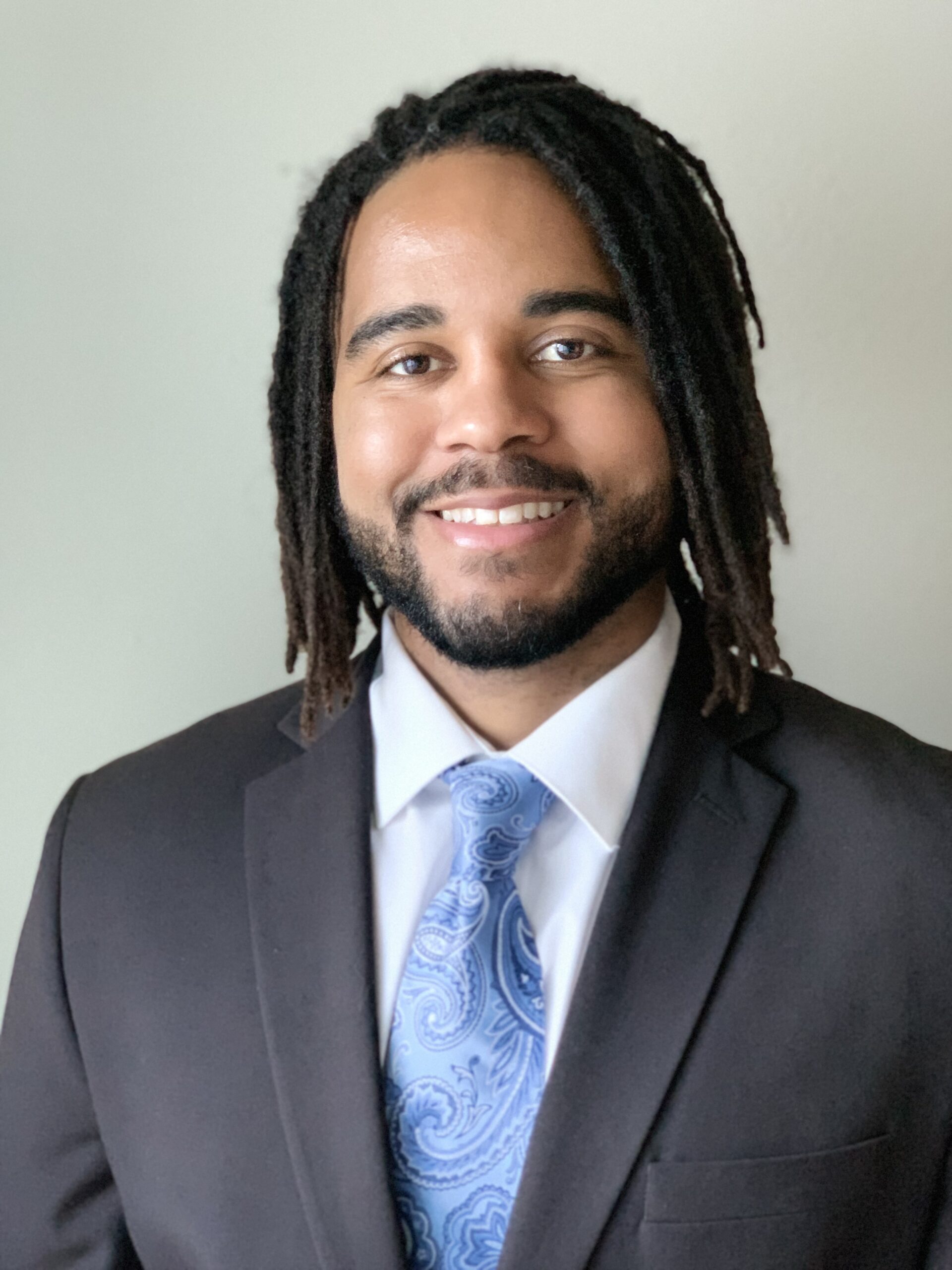 Ryan DeLapp PhD
Ryan DeLapp, Ph.D., is a licensed psychologist in New York and PSYPACT member, Director of DEI Initiatives and co-Director of Community Education Program at The Ross Center, and creator of the Racial, Ethnic, and Cultural Healing (REACH) program. Dr DeLapp is widely recognized for his expertise in supporting minority individuals with healing from and learning to navigate cultural stressors within their lives. The REACH Program adapts evidenced-based treatments to help teens and young adults develop protective skills to alleviate the impact of race-based stress. This program is derived from over 10 years of Dr. DeLapp’s research and clinical practice. And, from this work, he has authored over 20 publications and has conducted over 100 presentations discussing considerations for assessing and treating racial and cultural stress in diverse populations. The culmination of these considerations is featured in his recently released workbook entitled “Empower Yourself Against Racial and Cultural Stress: Using Skills from the REACH Program to Heal, Cope, and Thrive.”