
Assessment and Treatment of Co-occurring Mental Health and Substance Use Disorders Presented by: Fredrick Dombrowski, Ph.D., LMHC, CASAC-M, LPC, LADC, NCC, CCMHC, MAC, ACS, BC-TMH, HS-BCP, ICADC, DCMHS
Workshop Level: All levels
Program Description: Behavioral treatment programs must often provide treatment to clients living with both mental health (MH) and substance use disorders (SUD). The experiences related to SUD can negatively impact MH worsening pre-existing diagnoses or contribute to the development of new symptoms. For those in recovery, it may take several months before brain processes return to premorbid functioning. As such, providing an appropriate co-occurring MH diagnosis and treatment can be difficult. This presentation will identify difficulties in providing an appropriate diagnosis for clients living with co-occurring MH and SUD. Participants will identify effective assessment tools to use to assist in the appropriate diagnosis of MH and SUD. Participants will identify appropriate levels of
care for those living with co-occurring disorders. Finally, participants will identify how to apply evidence-based practices for Mental Illness and CBT to those living with co-occurring MH and SUD.
Learning Objectives: After attending this workshop, it is expected that participants be able to:
- Identify effective assessment tools to use to assist in the appropriate diagnosis of MH and SUD.
- Identify appropriate levels of care for those living with co-occurring disorders.
- Identify how to apply evidence-based practices of Mental Illness and CBT to those living with co-occurring MH and SUD.
About the Presenter: Fredrick Dombrowski is the AMHCA Past President and has extensive experience treating those living with co-occurring disorders since 1998. He has been a supervisor and director for multiple programs including inpatient, outpatient, and forensic treatment. Currently a Department Chair at the University of Bridgeport, he is focused on experiential learning through a perspective of cultural humility and equitable clinical care. He has recently published the book Co-occurring MentalIllness and Substance Use Disorders and has appeared on television, radio, and internet advocating for the helping professions. He has won several awards for his work with marginalized populations.
Disclosures: None
References:
- Chandler, T., Dombrowski, F., & Mathews, T. (2022). Co-occurring mental illness and substance use disorders: Evidence-based integrative treatment and multicultural application. Rutledge. ISBN 10: 103211651X
- Waller, R. C., Boyle, M. P., & Daviss, S. R. (Eds.). (2023). The ASAM criteria: Treatment criteria for addictive, substance-related, and co-occurring conditions (4th ed.). Hazelden Publishing.
- Labbe, A.K., Johnson, D.P., Lynch, T., Yeterian, J.D., Kelly, J.F. (2023). Cognitive-Behavioral Approaches for the Treatment of Substance Use Disorders and Co-occurring Mental Health Conditions. In: Sprich, S.E., Petersen, T., Wilhelm, S. (eds) The Massachusetts General Hospital Handbook of Cognitive Behavioral Therapy. Current Clinical Psychiatry. Humana, Cham. https://doi.org/10.1007/978-3-031-29368-9_20
- Bastos Maia, M., Martins, P. M., & Figueiredo-Braga, M. (2025). Outcomes and Challenges of Motivational Interviewing in Dual Diagnosis Treatment—A Systematic Review. Journal of Dual Diagnosis, 21(1), 56–69. https://doi.org/10.1080/15504263.2024.2434218
APP is approved by the American Psychological Association to sponsor continuing education for psychologists. APP maintains responsibility for this program and its contents. For more information contact apponline.org.
Speaker
-
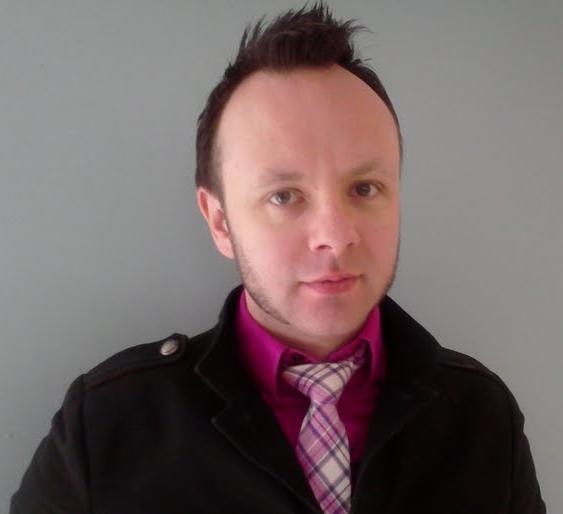 Fredrick Dombrowski, PhD
Fred Dombrowski is the AMHCA Past President and has extensive experience treating those living with co-occurring disorders since 1998. He has been a supervisor and director for multiple programs including inpatient, outpatient, and forensic treatment. Currently a Department Chair at the University of Bridgeport, he is focused on experiential learning through a perspective of cultural humility and an equitable clinical care. He has recently published the book Co-occurring Mental Illness and Substance Use Disorders and has appeared on television, radio, and internet advocating for the helping professions. He has won several awards for his work with marginalized populations.